[Spanish version below]
In the world of social organizations, measuring means understanding, learning—and transforming.
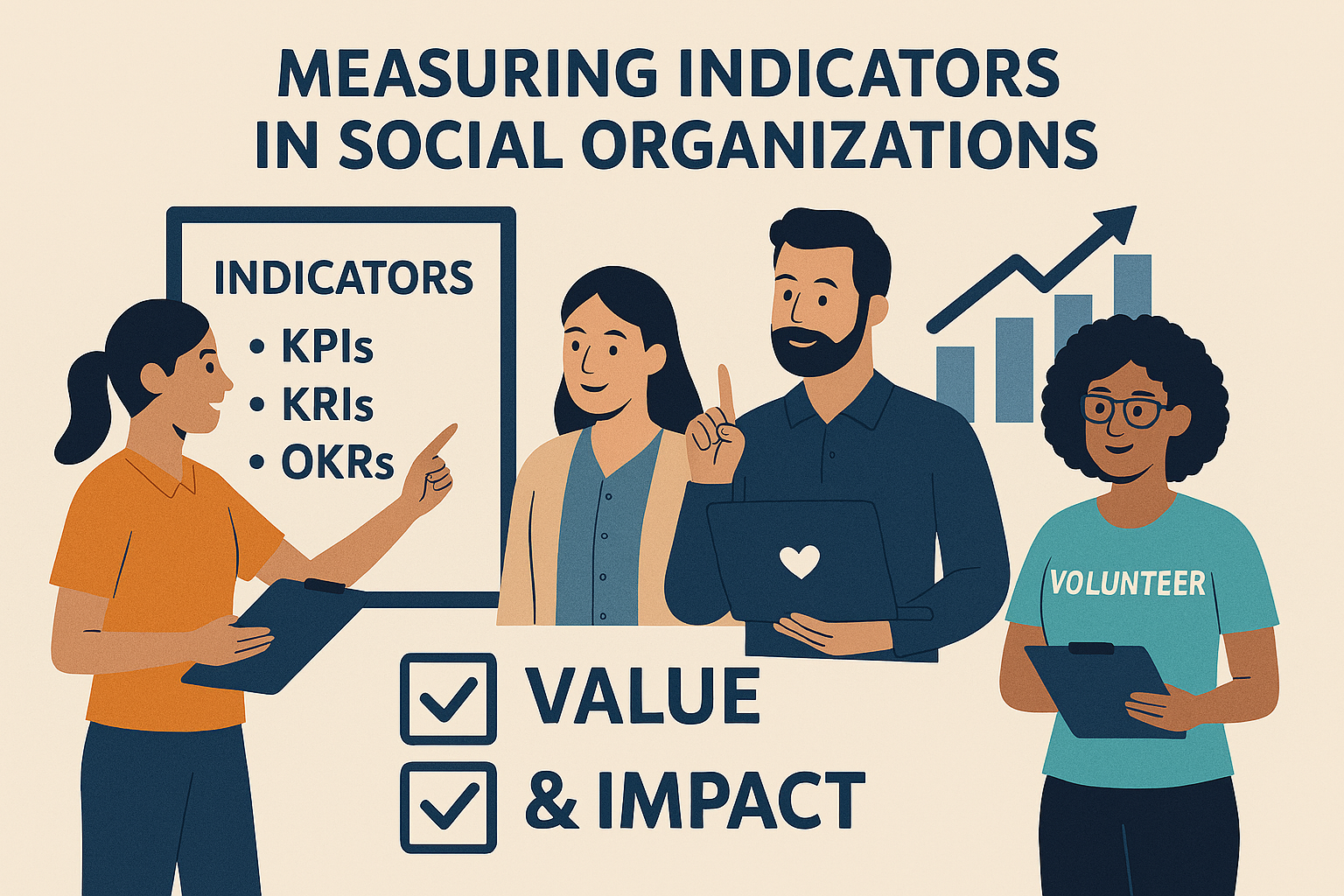
Quality indicators -wether KPIs, KRIs, OKRs- should not be limited to verifying whether a procedure was followed or a process is under control. They should reveal whether that process created value for society, whether it made an impact on our target population.
Joseph Juran, one of the founding fathers of quality management, asserted that “quality should be viewed as fitness for use.” In the context of social organizations, that “fitness” translates into responsiveness, community integration, and long-term sustainability. Are we measuring that?
At SIGENIA, we support social organizations in designing management systems that not only ensure regulatory compliance but also drive continuous improvement with a clear purpose: to serve others and the community. We help identify indicators that reflect what truly matters: Are we empowering people? Are we fostering autonomy? Are we transforming realities?
The key lies in building indicators that connect with the mission, that are understandable to all stakeholders, and that enable strategic decision-making. It’s not about having more data—it’s about asking better questions so the answers lead us in the right direction.
In times when the legitimacy of social organizations is built through transparency and participation, measuring well also means communicating well. And that, in itself, is a way to better serve society.
If you’re part of an organization that wants to move beyond task control and toward quality-driven transformation and innovation, I invite you to rethink your indicators. Because what isn’t measured can’t be improved. But what is measured poorly can lead us astray.
[Castellano]
Indicadores que importan: Cómo medir lo que realmente transforma en las organizaciones sociales
En el mundo de las organizaciones sociales, medir es comprender, es aprender y también transformar. Los indicadores de calidad, sean KPIs, KRIs, OKRs u otros, no deberían limitarse a verificar si se cumplió con un procedimiento o si tenemos bajo control un proceso, sino a revelar si ese proceso generó valor para la sociedad, si generó impacto en nuestra población objetivo.
Joseph Juran, uno de los padres de la gestión de calidad, afirmaba que “la calidad debe ser vista como aptitud para el uso”. En el caso de las organizaciones sociales, esa “aptitud” se traduce en capacidad de respuesta, integración comunitaria y sostenibilidad en el tiempo.. ¿Estamos midiendo eso?
Desde SIGENIA, acompañamos a organizaciones sociales en el diseño de sistemas de gestión que no solo aseguren el cumplimiento normativo, sino que impulsen la mejora continua con un propósito bien claro: servir al prójimo y a la comunidad. Ayudamos a identificar indicadores que reflejen lo que realmente importa: ¿estamos empoderando a las personas?, ¿estamos generando autonomía?, ¿estamos transformando realidades?
La clave está en construir indicadores que conecten con la misión, que sean comprensibles para todos los actores, y que permitan tomar decisiones estratégicas. No se trata de tener más datos, sino de tener mejores preguntas para que las respuestas sean las adecuadas.
En tiempos donde la legitimidad de las organizaciones sociales se construye desde la transparencia y la participación, medir bien ayuda a comunicar bien. Y eso, en sí mismo, es una forma de servir mejor a la sociedad.
Si estás en una organización que quiere ir más allá del control de las tareas y actividades diarias y acercarse a la transformación de la calidad e innovación, te invito a repensar tus indicadores. Porque lo que no se mide, no se mejora. Pero lo que se mide mal, puede desviar el rumbo. En SIGENIA estamos para ayudarte.
No responses yet